


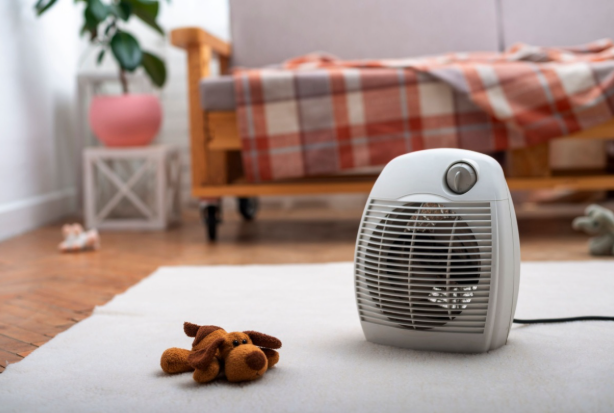
Have you ever felt a persistent chill in a drafty home office or a corner bedroom and reached for a portable space heater to bridge the gap? During a long Pittsburgh winter, these compact devices are incredibly convenient for providing localized warmth exactly where you need it without cranking up the thermostat for the entire house. However, while they are small in size, their electrical footprint is massive. These devices are one of the leading causes of home electrical fires when used improperly, often due to a simple misunderstanding of how they draw power.
At Gillece Services, we prioritize family safety above all else and want to ensure every Pittsburgh neighbor understands the hidden dangers of "daisy-chaining" high-draw appliances or plugging them into shared power strips. We have seen firsthand the devastating consequences of electrical mishaps, and our goal is to provide you with the knowledge you need to keep your home warm and your family protected.
The Science of Electrical Overload
To understand why a space heater is such a threat to a power strip, you have to look at the sheer volume of electricity these units require. Most portable space heaters are rated at 1,500 watts. To put that in perspective, it is roughly the same amount of power as a large microwave or a high-end hair dryer. When you plug a device with that kind of draw into a standard outlet, it pulls a significant amount of amperage through the wires.
The problem arises because power strips and surge protectors are not designed to handle a continuous, high-amperage load for hours on end. Most power strips are intended for low-power electronics like your laptop charger, a desk lamp, a monitor or a phone dock. These devices draw very little current. When you introduce a 1,500-watt space heater into that equation, the heater demands more electricity than the power strip’s internal wiring was ever meant to carry. This creates a bottleneck of energy. Because the power strip cannot efficiently move that much electricity, the excess energy turns into heat. This isn't the helpful heat coming out of the front of your heater—it is a dangerous, concentrated heat building up inside the plastic housing of the strip itself.
What Happens Inside a Power Strip?
When a power strip is forced to carry more current than it is rated for, the physical components begin to fail almost immediately. Inside the strip, the thin copper wires and connection points start to reach temperatures they were never engineered to withstand. You may not see flames right away, but a silent and invisible process of degradation begins.
As the internal temperature rises, the plastic insulation surrounding the wires begins to soften and melt. Once that insulation is gone, the "hot" and "neutral" wires can come into direct contact with one another. This creates an electrical arc—a high-temperature jump of electricity that can reach thousands of degrees. This arc can instantly ignite the plastic casing of the power strip or any nearby combustible materials like carpet, curtains or furniture. Furthermore, many people tuck power strips behind desks or under beds where airflow is restricted, which only accelerates overheating. By the time you smell the distinct, acrid scent of ozone or burning plastic, a fire may already be smoldering inside your wall or floorboards.
Safe Alternatives for Staying Warm
The safest way to use a portable space heater is by plugging it directly into a wall outlet. Manufacturers of these devices explicitly state in their safety manuals that they should be plugged directly into a wall outlet capable of handling the load. This ensures that the electricity has a direct, unobstructed path from your home’s main wiring to the appliance without passing through a weak middleman like an extension cord or power strip.
However, many older homes in the Pittsburgh area were built long before the era of modern high-wattage appliances. If you find that your outlets are poorly placed or that your circuit breakers trip every time you turn on the heater, it is a sign that your home’s electrical system is struggling. In these cases, the best alternative is to install dedicated circuits for high-use areas. A dedicated circuit runs directly from your electrical panel to a specific outlet, ensuring that the space heater isn't competing with your computer or television for power. This is a permanent, professional solution that eliminates the risk of overload and provides the steady power required for safe heating.
Gillece’s Tips for Space Heater Safety
Safety doesn't stop at the outlet. Even when plugged directly into a wall, space heaters require constant vigilance. To keep your household safe during the colder months, Gillece Services recommends following these essential "dos and don'ts":
- The Three-Foot Rule: Always keep a three-foot clearance around the heater. This includes blankets, pillows, papers, clothing and upholstered furniture.
- Flat and Firm: Never place a heater on a rug or carpet. It should sit on a flat, non-flammable surface like tile or hardwood to prevent tipping and to allow for proper airflow.
- Auto-Shutoff Features: Only purchase heaters that feature a tip-over switch and an overheat protection sensor. These "smart" safety features will automatically cut power if the unit falls or gets too hot.
- Never Leave It Unattended: Turn off and unplug your space heater whenever you leave the room or go to sleep. A heater should never be used as a primary overnight heat source.
- Check the Cord: Periodically feel the cord while the heater is running. If the cord feels hot to the touch or if the outlet looks discolored, stop using it immediately and call an electrician.
Ensuring Your Home's Electrical Health
While a space heater is a handy tool, it should never be a replacement for a properly functioning furnace or a safe electrical system. If you find yourself relying on multiple space heaters just to stay comfortable, it may be time to look at the bigger picture of your home’s infrastructure. Partnering with a licensed electrician from Gillece Services is the best way to prevent electrical hazards before they start.
With more than 40 years of expertise, our team has helped countless Pittsburgh families modernize their wiring and upgrade their panels to meet the demands of 21st-century living. We can identify "hot spots" in your home, replace outdated two-prong outlets and ensure your home is fully protected with AFCI (Arc Fault Circuit Interrupter) breakers that are specifically designed to detect the dangerous arcing caused by overloaded strips.
Don't gamble with your family’s safety this winter. If you are worried about your home’s ability to handle the winter load or if you have been using power strips for your heavy appliances, let us provide the professional clarity you need. We are always here to take your call. We encourage homeowners throughout the Pittsburgh area to contact Gillece Services for a comprehensive electrical safety inspection to ensure your home remains a warm, safe sanctuary for years to come.