


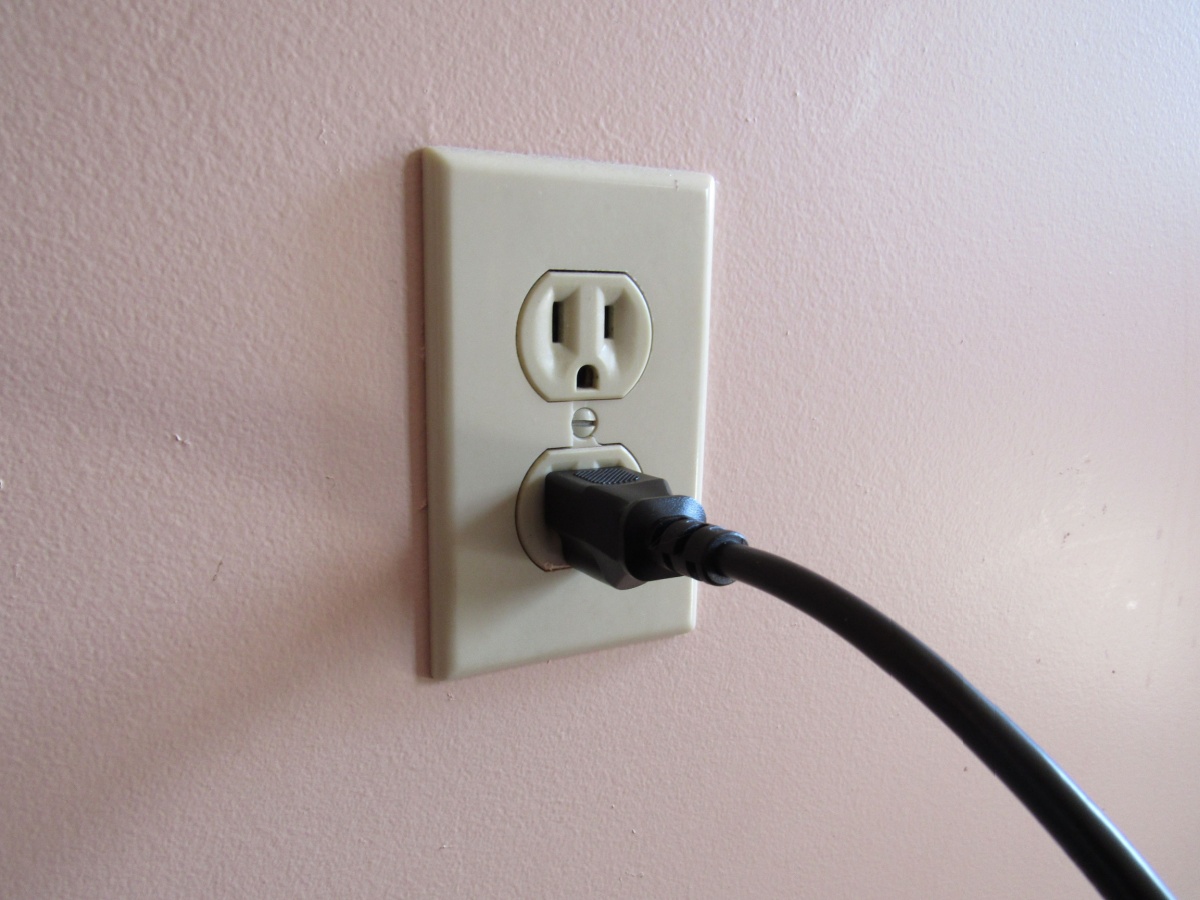
Electrical outlets power many of the devices and appliances we rely on every day. From charging phones to running kitchen appliances, outlets keep modern homes functioning smoothly. So when an outlet suddenly stops working, it can be both frustrating and confusing.
Sometimes the issue affects just one outlet, while other times multiple outlets lose power at once. The cause can range from something simple, like a tripped breaker, to a deeper electrical problem that requires professional attention.
Learning about the common reasons electrical outlets stop working can help homeowners troubleshoot the issue and know when it’s time to call an electrician.
A Tripped Circuit Breaker
One of the most common reasons an outlet stops working is a tripped circuit breaker. Circuit breakers are designed to protect your home’s electrical system from overloads and potential hazards.
When too many devices draw power from the same circuit, the breaker may trip to prevent overheating or electrical damage. When this happens, power shuts off to every outlet connected to that circuit.
Checking your electrical panel is often the first step when an outlet stops working. If a breaker has moved to the “off” position or appears partially switched, resetting it may restore power.
However, if the breaker trips repeatedly, it could indicate an overloaded circuit or another electrical issue that should be inspected by a professional.
A Tripped GFCI Outlet
Ground Fault Circuit Interrupter (GFCI) outlets are designed to protect against electrical shock, particularly in areas where water may be present.
You’ll typically find GFCI outlets in places such as:
- Bathrooms
- Kitchens
- Garages
- Laundry rooms
- Outdoor areas
- Basements
These outlets contain built-in safety features that automatically shut off power when they detect a ground fault or an imbalance in electrical current.
If a GFCI outlet trips, it may cut power not only to itself but also to other outlets connected to the same circuit. Pressing the reset button on the GFCI outlet often restores power.
Sometimes the tripped outlet may be located in another room, so checking nearby GFCI outlets is important when troubleshooting.
Loose or Damaged Wiring
Wiring connections inside outlets can loosen over time due to normal use, temperature changes or electrical vibration. When wiring becomes loose, the outlet may stop delivering power.
In some cases, damaged wiring may also cause outlets to fail. Wires that become worn, frayed or disconnected can interrupt the electrical flow.
Loose wiring can be more than an inconvenience. It may create heat buildup inside the outlet, increasing the risk of electrical damage or fire hazards. Because electrical wiring involves safety risks, repairs should always be handled by a qualified electrician.
A Burned-Out Outlet
Like any electrical component, outlets can eventually wear out. Years of plugging in and unplugging devices can loosen internal contacts inside the outlet.
Signs that an outlet may be worn out include:
- Plugs falling out easily
- Scorch marks or discoloration
- A burning smell
- Intermittent power when devices are plugged in
A worn or damaged outlet may no longer hold plugs securely or deliver power consistently. Replacing the outlet usually resolves the issue.
A Hidden Electrical Fault
Sometimes the problem lies deeper within the electrical system. If multiple outlets stop working in different areas of the home, the issue could involve wiring connections within the walls or the electrical panel.
Electrical faults may occur due to:
- Aging wiring
- Rodent damage
- Improper previous electrical work
- Moisture exposure
- Overloaded circuits
Because these problems may not be visible, diagnosing them often requires professional testing and inspection.
A Faulty Appliance
Occasionally, the outlet itself may not be the problem. A malfunctioning appliance or device can cause an outlet to stop working temporarily.
If an appliance has an internal electrical fault, it may trip the circuit breaker or GFCI outlet connected to that circuit. Unplugging the device and resetting the breaker may restore power.
If the outlet works normally afterward, the appliance may need repair or replacement.
Child Safety Features in Modern Outlets
Many modern outlets include tamper-resistant safety features designed to protect children from electrical shock. These outlets contain internal shutters that prevent foreign objects from entering the slots.
Sometimes these safety mechanisms can make it feel like an outlet is not working, especially if a plug is inserted at an angle. Firmly inserting the plug straight into the outlet typically resolves the issue.
When to Call a Professional Electrician
While some outlet issues have simple solutions, others require professional expertise. Electrical systems can be complex, and attempting DIY repairs without proper training can create safety risks.
You should contact an electrician if you notice:
- Outlets that frequently lose power
- Burn marks or unusual odors from outlets
- Multiple outlets failing at once
- Warm outlets or sparking
- Breakers that trip repeatedly
Professional inspection ensures the problem is diagnosed correctly and resolved safely.
Get Reliable Electrical Help From Gillece
Electrical outlets are small but essential parts of your home’s electrical system. When one stops working, it can interrupt daily routines and sometimes signal a larger electrical issue.
The electricians at Gillece are ready to help identify the cause and restore safe, reliable power to your home. From troubleshooting faulty outlets to inspecting circuits and wiring, our team provides expert electrical solutions you can trust. Voted Best Electricians by TribLive in 2024 & 2025.
If you’re dealing with outlets that won’t work or other electrical concerns, contact Gillece today to schedule an outlet repair or replacement in Pittsburgh, PA, or one of the nearby areas! Let our professionals keep your home powered safely and efficiently.