

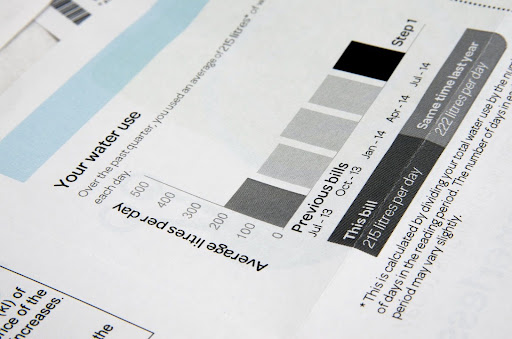
You open your water bill expecting the usual number, and nearly spill your coffee when you see it’s doubled. That sinking feeling hits hard, but before you panic, know this: high water bills don’t always mean disaster. They often point to something small that’s quietly wasting gallons behind the scenes. Let’s dive into what could be driving up your water costs and how to track it down.
What Qualifies as a “High” Water Bill
A “high” water bill isn’t one-size-fits-all. It depends on how many people live in your home, how often you use water-heavy appliances and your local utility rates. However, if you notice your bill has jumped by 20% or more compared to your usual average, and your household habits haven’t changed, you’re looking at a red flag worth investigating.
Seasonal fluctuations can explain slight increases, especially during summer when outdoor watering and pool filling spike usage. But if you’re seeing significant jumps month after month, it’s likely something is wrong inside your plumbing system, not your routine.
Hidden Leaks Inside Your Home
Leaks are sneaky. A dripping faucet may seem minor, but one drop per second can waste over 3,000 gallons a year. Those little drips, slow toilet leaks and leaky showerheads add up quickly. Hidden leaks behind walls or under sinks can also go unnoticed until your bill tells the story. Keep an eye out for soft spots on drywall, musty smells or discoloration. These are signs that water might be escaping somewhere it shouldn’t.
Underground, Wall or Slab Leaks
When leaks happen under your foundation, in walls or underground, they can be trickier to detect. You might notice a damp patch on the floor, warm spots on the tile or unexplained mold growth. Slab leaks are especially common in older homes with copper piping and can cause severe damage if left untreated. If you suspect one, call a licensed plumber right away. Specialized leak detection equipment can pinpoint the problem fast without tearing up your flooring unnecessarily.
Running Toilets & Faulty Flappers
Toilets are notorious water wasters when parts wear out. A running toilet can leak hundreds of gallons a day without making much noise. The most common culprit is a faulty flapper, which is a small rubber seal that allows water to escape from the tank into the bowl even when not in use.
Listen closely: if you hear water running long after flushing, it’s time for a quick fix. Fortunately, flappers are inexpensive and easy to replace, but catching the issue early can save serious cash.
Malfunctioning Water Heater or Appliances
Your water heater and appliances like dishwashers and washing machines can contribute to higher bills when they malfunction. Sediment buildup in your water heater tank can reduce efficiency, forcing it to work harder and use more water. Likewise, a faulty washing machine valve or a leaky dishwasher hose can run unnoticed until your bill skyrockets. If your appliances are over 10 years old, it may be time for an inspection or even an upgrade to more efficient models.
Faulty Water Meter or Billing Errors
Before tearing apart your plumbing, rule out simple errors. Sometimes, the issue lies with your water meter or the utility company’s billing system. A misread meter or inaccurate estimate can inflate your total. Check your meter reading against your bill and contact your water provider if something looks off. It’s rare, but worth verifying before assuming a plumbing issue is to blame.
Seasonal & Usage Pattern Changes
A jump in your bill might not be a leak at all — it could be lifestyle-related. Filling a pool, watering the garden or hosting guests can all cause temporary spikes. Even shorter showers might not offset running sprinklers twice a day. Pay attention to your household’s habits throughout the year. Knowing your normal patterns makes spotting true anomalies much easier.
How to Test for Undetected Leaks
If your water bill seems suspiciously high and you can’t see a visible leak, it’s time to do some detective work. Here’s how to track down those hidden water wasters:
- Check the Water Meter: Turn off all faucets, appliances and irrigation systems, then look at your meter. If the dial is still moving, water is flowing somewhere it shouldn’t. A steady spin means an active leak.
- Perform a Toilet Dye Test: Add a few drops of food coloring into your toilet tank and wait about 15 minutes without flushing. If the color appears in the bowl, you’ve got a leaky flapper or seal letting water pass through.
- Inspect Your Fixtures: Look closely at faucets, showerheads and under-sink connections. Even small drips count. Run your hand along pipes and joints to feel for moisture.
- Check for Hidden Wall or Floor Leaks: Watch for damp spots, peeling paint or warping in drywall and flooring. A persistent musty odor is another clue that water is pooling somewhere unseen.
- Listen for Running Water: In a quiet house, listen carefully. If you can hear faint hissing or running water even when everything’s off, it’s time to call a plumber for professional detection.
- Review Appliance Hoses and Valves: Look behind your washing machine, refrigerator and dishwasher for drips or condensation. These areas are often overlooked but can leak for months undetected.
Taking a few minutes to test can save thousands of gallons and hundreds of dollars down the line.
Schedule a Plumbing Service With Gillece
If your water bill has been creeping up and you can’t find the culprit, Gillece is ready to help! Our plumbers specialize in leak detection, repairs and water-saving solutions that keep your utility costs in check. We use advanced technology to locate hidden leaks without unnecessary digging or damage.
When your water usage doesn’t add up, our team will track down the cause and fix it fast. Don’t waste another drop — schedule your plumbing service in Pittsburgh and surrounding areas with Gillece today and start saving money while keeping your home safe, dry and efficient!