


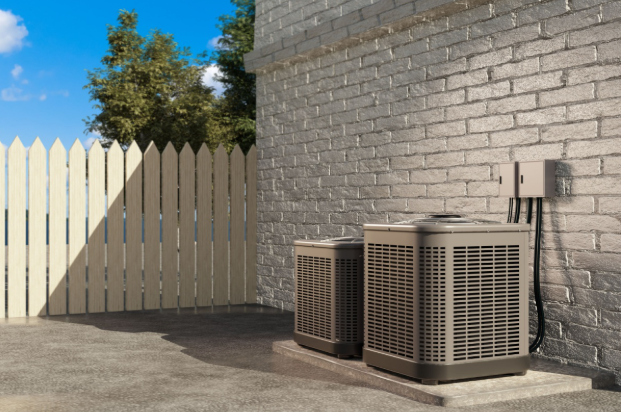
Anyone who has spent a summer in the Steel City knows that a Pittsburgh AC unit does some serious heavy lifting during those sweltering, humid July afternoons. When the dew point climbs and the air feels thick enough to carve, your air conditioner is the only thing standing between you and a very miserable indoor experience. While we would all love our cooling systems to last forever, the reality of Western Pennsylvania’s fluctuating temperatures, where it can be 40°F one morning and 90°F the next, combined with our region's aging infrastructure means that every unit has a definitive shelf life.
Understanding the typical lifespan of an air conditioner is one of the best ways a homeowner can prepare for the future. By knowing what to expect, you can plan for a replacement on your own terms rather than being caught in the middle of a record-breaking heatwave without a backup plan. At Gillece Services, we want to help you navigate these transitions with ease, ensuring your home remains a cool sanctuary regardless of the weather outside.
The Average Lifespan of a Pittsburgh AC Unit
When discussing the longevity of cooling equipment, most manufacturers suggest a window of 15 to 20 years. However, in our neck of the woods, the "real world" average often falls closer to the 10–15-year range. Why the discrepancy? It largely comes down to the unique environmental challenges of our region.
Pittsburgh is notorious for its high humidity. This moisture doesn't just make you feel sticky; it forces your air conditioner to work twice as hard. An AC unit isn't just a "cold air maker,” it is actually a dehumidifier. To cool your home, the system must remove moisture from the air. This constant process of condensation and drainage puts a significant strain on the evaporator coils and the condensate pump. Over a decade of heavy-duty dehumidification, these metal components can begin to corrode or develop "pitting," leading to refrigerant leaks that are often too costly to repair on an older machine. Furthermore, our rapid temperature swings mean the system's mechanical parts expand and contract frequently, leading to faster wear and tear than you might see in a more stable climate.
Factors That Cut Your Cooling System's Life Short
While regional climate plays a role, there are several "silent killers" of air conditioning units that are well within a homeowner's control. Recognizing these factors early can be the difference between a unit that makes it to year 15 and one that quits at year eight.
- Lack of Maintenance: This is the number one reason systems fail prematurely. A cooling system is a complex piece of machinery with moving parts, electrical connections and chemical refrigerants. Without annual professional cleaning and calibration, dust builds up on the coils, causing the compressor to overheat and eventually burn out.
- Improper Sizing: Many Pittsburgh homes have AC systems that are either too large or too small for the square footage. A unit that is too small will run constantly, "working itself to death" to reach the thermostat setting. Conversely, an oversized unit will "short cycle," turning on and off rapidly, which places immense stress on the motor and compressor.
- Debris from Local Foliage: Pittsburgh is a city of beautiful trees, but those maples and oaks drop leaves, seeds and "helicopters" that can clog your outdoor condenser unit. If the outdoor fins are choked with debris, the system cannot release the heat it gathered from inside your home, leading to a massive spike in internal pressure and temperature.
Signs Your AC is Nearing Its Retirement
If your system is crossing the ten-year mark, it is time to start watching for the telltale signs of an impending breakdown. Waiting for the unit to completely seize up usually results in an emergency replacement, leaving you no time to shop for the best deals or modern features.
One major red flag is the frequency of repairs. If you find yourself calling a technician every summer for "just one more fix," those costs are likely to exceed the unit's value. Additionally, keep a close eye on your Duquesne Light or West Penn Power bills. As systems age, they lose efficiency; if your cooling costs are skyrocketing compared to previous years, the internal components are likely failing. Finally, check the type of refrigerant your system uses. If your unit was manufactured before 2010, it likely uses R-22 (Freon), which the EPA has phased out. Because R-22 is no longer produced, even a minor leak can result in a repair bill that costs nearly as much as a brand-new, high-efficiency system.
How to Extend the Life of Your Current System
The good news is that you don't have to sit idly by while your AC unit ages. There are proven ways to squeeze a few more years of high-quality performance out of your current equipment. The most effective method is consistent, professional maintenance.
By keeping your filters clean, ensuring your outdoor unit is clear of weeds and debris and having a professional check your refrigerant levels annually, you can significantly reduce the workload on your compressor. Think of it like a vehicle; you wouldn't expect a car to reach 200,000 miles without ever changing the oil. Your air conditioner requires the same level of care. A well-maintained system runs more efficiently, keeps your home more comfortable and buys you the time you need to save for an eventual upgrade.
Planning Your Next Move with Gillece Services
When the time finally comes to say goodbye to your old unit, you don't have to navigate the complex world of SEER2 ratings and tax credits alone. Planning your next move with a professional HVAC assessment is vital to ensuring your new investment provides the best return for your specific home.
Gillece Services draws on over 40 years of experience in the Pittsburgh market to help homeowners choose energy-efficient replacements that fit their lifestyle and budget. We understand the local housing stock, from the century-old brick homes in Squirrel Hill to the newer developments in Cranberry, and we know how to design a cooling solution that accounts for every ductwork quirk and insulation challenge. Our technicians provide transparent, flat-rate pricing and a variety of financing options to make your AC repair or replacement as smooth as possible.
Don't wait for a sweltering August afternoon to find out your air conditioner has reached the end of the road. Be proactive and take control of your home's comfort today. We encourage all Pittsburgh residents to contact Gillece Services for a comprehensive cooling system evaluation. Whether we are giving your current unit a clean bill of health or helping you design a brand-new system, we are here to ensure you stay cool for many summers to come.