


Power outages can happen without warning. Severe storms, downed power lines and grid failures can leave homes without electricity for hours or even days. When the power goes out, everyday tasks suddenly become difficult. Refrigerators stop running, lights go dark and heating or cooling systems shut down.
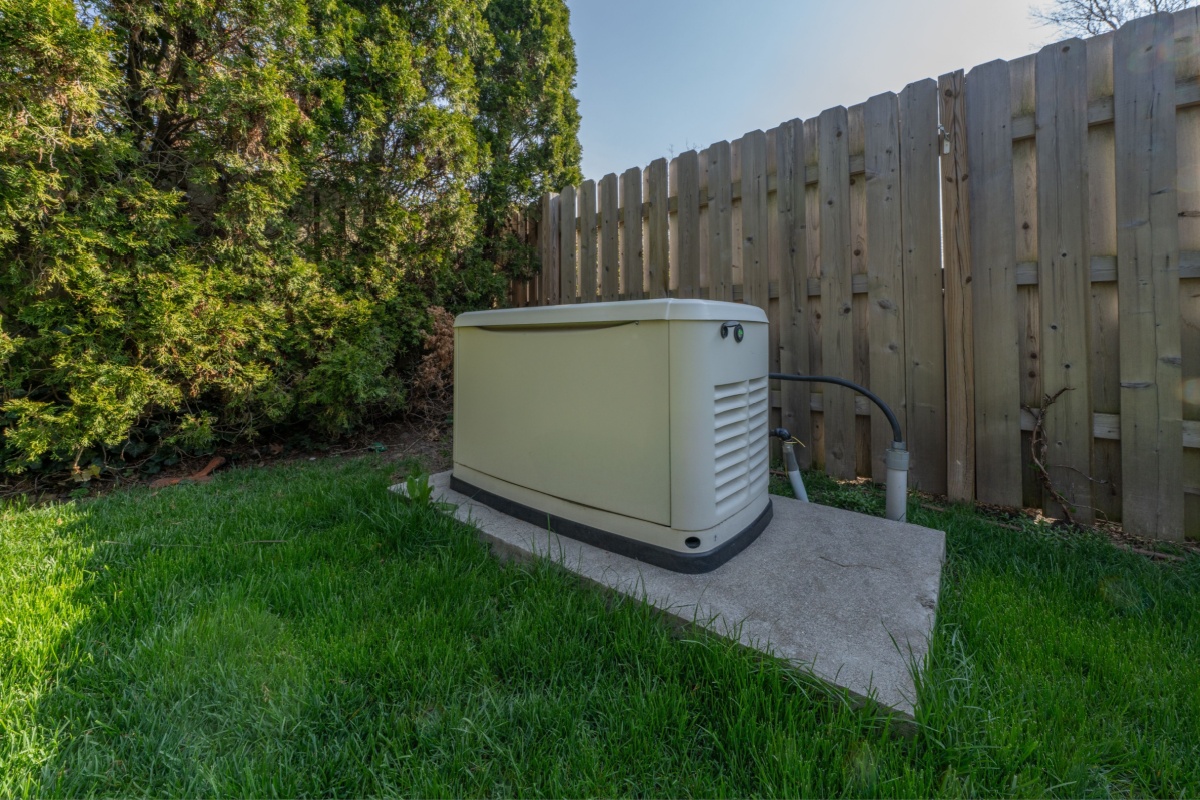
This is why many homeowners install standby generators. Unlike portable generators, standby systems are permanently installed and automatically turn on when the power fails. Within seconds of an outage, the generator begins supplying electricity to selected areas of the home.
One of the most common questions homeowners ask is which appliances a standby generator can actually power. The answer depends on the generator’s capacity and the way your electrical system is configured, but many essential appliances can continue operating during an outage.
Understanding what can run on a standby generator helps homeowners plan for reliable backup power and maintain comfort during unexpected outages.
How Standby Generators Power Your Home
A standby generator connects directly to your home’s electrical system through a transfer switch. This switch detects when utility power is lost and safely transfers your home’s electrical load to the generator.
Depending on the generator’s size and the setup of your electrical panel, the system may power either:
- Essential circuits only
- Large portions of the home
- The entire home
Many homeowners choose to prioritize critical appliances and systems that keep the home safe and functional during an outage.
The capacity of the generator is measured in kilowatts (kW), which determines how much electricity it can produce at one time. Larger generators can support more appliances simultaneously.
Refrigerators and Freezers
One of the most important appliances to keep running during a power outage is the refrigerator. When power is lost for extended periods, food inside the refrigerator or freezer can quickly spoil.
A standby generator allows refrigerators and freezers to remain powered so food stays safely stored. This prevents waste and avoids the cost of replacing groceries after an outage.
Because refrigerators cycle on and off throughout the day, they typically do not place a constant heavy load on the generator.
Heating and Cooling Systems
Comfort systems are another major priority during power outages. Depending on the season, losing heating or cooling can make a home uncomfortable or even unsafe.
Standby generators can power many types of HVAC equipment, including:
- Central air conditioning systems
- Furnaces
- Heat pumps
- Boilers
- HVAC blower motors
Keeping heating systems running during winter outages helps protect both residents and plumbing systems from freezing temperatures. In the summer, running the air conditioner can maintain safe indoor temperatures during heat waves.
Larger HVAC systems may require a generator with higher capacity, so proper sizing is important.
Lights and Essential Electrical Circuits
Lighting is one of the simplest but most valuable features a standby generator provides. When the power fails, having lights available throughout the home allows families to continue normal activities safely.
Most standby generator setups include lighting circuits such as:
- Kitchen lighting
- Hallway lights
- Bathroom lighting
- Exterior safety lights
- Garage lighting
Keeping these circuits powered helps prevent accidents and allows homeowners to move safely through the home during an outage.
Sump Pumps
For homes with basements, sump pumps are critical during heavy rainstorms. Ironically, the same storms that cause power outages often increase the risk of flooding.
A standby generator ensures the sump pump continues operating even when the power goes out. This helps prevent water from accumulating in the basement and protects the home from costly water damage.
Because sump pumps only run periodically, they usually require less continuous power than other appliances.
Kitchen Appliances
While homeowners may not need every kitchen appliance during an outage, many standby generators can support common kitchen equipment.
Appliances that may run on a standby generator include:
- Microwaves
- Electric ovens
- Coffee makers
- Dishwashers
- Garbage disposals
These appliances allow families to continue preparing meals during extended outages. However, large appliances like electric ranges or ovens may require careful load management depending on the generator’s size.
Water Heaters
Hot water is another important household necessity. Depending on the type of system installed, a standby generator may be able to power your water heater during an outage.
Possible systems include:
- Electric water heaters
- Tankless water heaters
- Circulating pumps for hydronic heating systems
Maintaining hot water during an outage helps homeowners continue normal activities like showering, cleaning and washing dishes.
Washing Machines and Dryers
Laundry appliances may also operate during an outage if the generator has sufficient capacity. Washing machines generally use moderate amounts of electricity, while electric dryers draw larger amounts of power.
Some homeowners choose to prioritize essential appliances first and use laundry equipment only when needed during extended outages.
This flexibility allows the generator to distribute power efficiently without overloading the system.
Home Office Equipment and Electronics
Many households rely on electronics for work, communication and entertainment. During a power outage, a standby generator can keep many devices running normally, such as:
- Computers
- Internet routers
- Televisions
- Charging stations
- Security systems
Maintaining internet access and communication devices can be particularly helpful during emergencies or severe weather conditions.
How Generator Size Affects What You Can Run
The number of appliances your standby generator can run depends largely on its size. Smaller generators are designed to power essential circuits, while larger systems can support more of the home’s electrical demand.
For example:
- Smaller generators may power refrigerators, lights and sump pumps.
- Mid-sized generators may support HVAC systems and additional appliances.
- Whole-home generators can supply power to nearly every circuit in the house.
A professional electrician can evaluate your home’s electrical needs and recommend a generator size that matches your priorities.
Why Professional Installation Matters
Installing a standby generator involves more than simply connecting a machine to your home. The system must be properly integrated with your electrical panel, transfer switch and fuel supply.
Professional installation ensures:
- Safe electrical connections
- Proper load balancing
- Compliance with local electrical codes
- Reliable automatic operation during outages
Working with experienced electricians also helps ensure the generator is sized correctly for your home’s power needs.
Call Gillece for Reliable Backup Power Solutions
A standby generator provides peace of mind by keeping your home powered during unexpected outages. From refrigerators and sump pumps to heating systems and essential lighting, a properly installed generator allows you to maintain comfort and safety even when the grid goes down.
If you are considering installing a backup generator, the Electricians at Gillece is ready to help. We provide professional home generator services, including system selection, installation and maintenance, designed to keep your home prepared for power interruptions. Voted Best Electricians by TribLive in 2024 & 2025.
Contact Gillece today to schedule service in Pittsburgh or one of the surrounding areas. Our team can help you choose the right generator solution so your home stays powered, protected and comfortable when outages occur!