


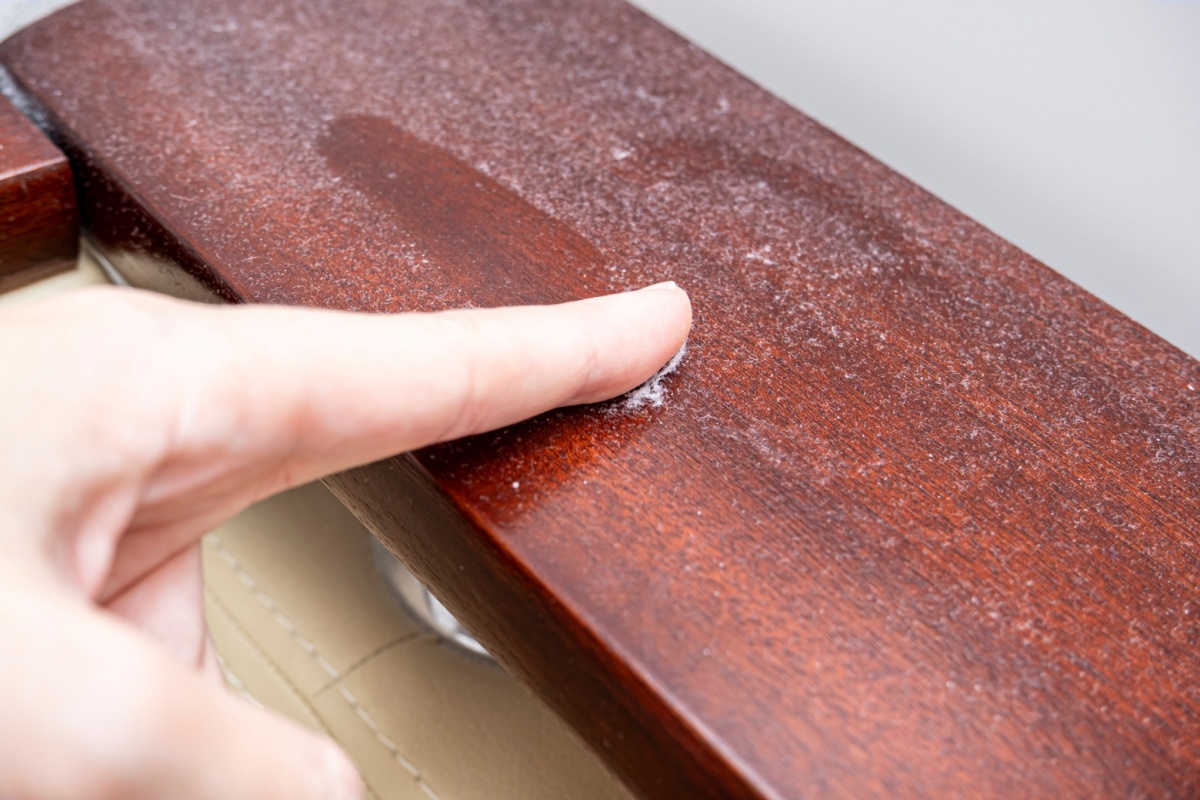
You vacuum the floors, wipe down surfaces and tidy up the entire house. Yet within a day or two, a thin layer of dust seems to return. Shelves look dull again, sunlight reveals floating particles in the air and your home somehow feels dusty no matter how often you clean.
If this sounds familiar, you’re not the only one facing this problem. Many homeowners struggle with persistent dust that seems to reappear almost immediately after cleaning. While dust is a natural part of indoor environments, excessive buildup can signal underlying issues within your home.
Knowing where dust comes from and why it keeps returning can help you address the root cause and improve the overall cleanliness and comfort of your living space.
Dust Is Made of More Than Just Dirt
Many people assume dust is simply dirt tracked into the house, but household dust is actually a complex mix of materials. Dust particles can come from both inside and outside your home.
Common components of indoor dust include:
- Dead skin cells
- Pet dander
- Fabric fibers
- Carpet particles
- Pollen
- Outdoor soil
- Mold spores
- Dust mites
Everyday activities like walking across carpets, sitting on furniture or opening windows can stir these particles into the air. Once airborne, they eventually settle back onto surfaces throughout your home.
Even a spotless house will accumulate dust over time. However, when dust returns extremely quickly after cleaning, other factors may be contributing to the problem.
Your HVAC System May Be Circulating Dust
Your heating and cooling system plays a major role in how air moves throughout your home. When your HVAC system runs, it pulls air through return vents, filters it and redistributes it through supply ducts.
If the system’s filter is clogged, outdated or low quality, dust particles may pass through and circulate repeatedly. This means the same dust can move from room to room and settle again shortly after cleaning.
Dirty air filters are one of the most common reasons homes feel dusty. Replacing filters regularly helps capture airborne particles before they spread throughout the house.
Most homes benefit from replacing HVAC filters every one to three months, depending on the type of filter and household conditions.
Ductwork May Contain Built-Up Debris
Over time, dust and debris can collect inside your home’s ductwork. Each time your HVAC system runs, small amounts of that debris may become airborne again.
If your ducts contain years of buildup, the system may constantly circulate dust through your vents. In some cases, homeowners may even notice dust collecting around vent covers.
Leaks or gaps in ductwork can make the issue worse. These openings may allow dust from attics, crawl spaces or wall cavities to enter the system and spread throughout the house. Professional inspections can identify duct issues and help restore cleaner airflow.
Poor Air Filtration Allows Particles to Circulate
Standard HVAC filters provide basic protection, but they may not capture the smallest airborne particles. Fine dust, pollen and allergens can sometimes pass through lower-quality filters.
When this happens, dust remains suspended in the air longer and continues circulating throughout your home.
Upgrading your filtration system can significantly reduce airborne particles. Higher-efficiency filters are designed to trap smaller contaminants, helping keep your indoor air cleaner and reducing the amount of dust that settles on surfaces. For many homeowners, improved filtration is one of the most effective ways to reduce constant dust buildup.
Carpets and Upholstery Can Trap Dust
Soft surfaces like carpets, rugs, curtains and upholstered furniture naturally trap dust and debris. Even if the surfaces look clean, they may contain particles deep within the fibers.
Walking across carpet or sitting on furniture can release these trapped particles back into the air. This can make it seem like dust reappears almost immediately after cleaning.
Regular vacuuming with a high-quality vacuum cleaner can help remove embedded debris. However, heavily used carpets and furniture may still contribute to dust levels over time. Occasional deep cleaning or professional carpet cleaning can help remove stubborn buildup.
Outdoor Dust Can Enter Your Home
Dust does not only come from inside the house. Outdoor air can introduce pollen, dirt and other particles into your living space.
Dust may enter through:
- Open windows
- Doors
- Small gaps around windows or vents
- Shoes and clothing
- Pets coming inside from outdoors
Homes located near construction areas, busy roads or dry climates may experience higher levels of outdoor dust.
Simple habits such as removing shoes at the door and sealing small gaps can help reduce the amount of outdoor debris entering your home.
Low Humidity Can Make Dust More Noticeable
Humidity levels also influence how dust behaves indoors. When the air in your home becomes too dry, dust particles remain airborne longer instead of settling quickly.
Dry air is common during the winter months when heating systems run frequently. As humidity drops, dust may circulate through the air and become more visible in sunlight. Maintaining balanced humidity levels can help reduce airborne dust and improve overall indoor comfort.
Indoor Air Quality May Need Improvement
Persistent dust can sometimes signal broader indoor air quality concerns. When airborne particles circulate constantly, cleaning surfaces alone may not solve the problem.
Improving indoor air quality often requires addressing the air moving through your home.
Indoor air quality professionals can evaluate how air flows through your HVAC system and identify potential sources of airborne contaminants. Solutions may include improved filtration or advanced air purification technology. These improvements help remove dust before it settles throughout the home.
Whole-House Air Purification Systems Can Reduce Dust
One of the most effective ways to reduce dust and airborne particles is to install a whole-house air purification system. These systems work directly with your HVAC equipment to treat the air as it circulates throughout the home.
Unlike portable air purifiers that only affect a single room, whole-house systems clean the air moving through every vent.
Whole-house air purification systems can help remove:
- Dust particles
- Pet dander
- Pollen
- Mold spores
- Bacteria
- Other airborne contaminants
By capturing particles before they settle on surfaces, these systems can significantly reduce the amount of dust you see around the home.
Many homeowners also notice improvements in allergy symptoms and overall indoor comfort after installing advanced air purification technology.
When to Consider Professional Help
If your home feels dusty even after frequent cleaning, it may be time to take a closer look at your HVAC system and indoor air quality.
You may want to schedule an inspection if you notice:
- Dust returning within hours of cleaning
- Visible dust near air vents
- Allergy symptoms inside the home
- Uneven airflow between rooms
- Persistent musty or stale air
Addressing these issues early can help improve both cleanliness and the health of your indoor environment.
Call Gillece for Indoor Air Quality Solutions
If dust continues to build up no matter how often you clean, the problem may lie in the air circulating through your home. Improving your HVAC system and filtration can make a major difference in both air quality and household comfort.
The HVAC team at Gillece offers professional indoor air quality services designed to help homeowners breathe easier and maintain cleaner living spaces. From improved filtration to advanced whole-house air purification systems, we provide solutions that reduce airborne dust and enhance the overall health of your home. Voted Best HVAC Service by TribLive in 2024 & 2025.
Contact Gillece today to schedule service in Pittsburgh or one of the surrounding communities. Our experts can evaluate your home’s air quality and recommend the right solutions to keep your indoor environment cleaner, healthier and more comfortable year-round.